
Real Clients. Real Dogs. Real Experiences.
Real Stories From Happy Jack’s Families
Every dog and family begins with different goals. These stories share what individual clients reported learning, practicing, and experiencing through training with Happy Jack’s.
Progress is personal
No two dogs, families, or training experiences are identical. The stories below reflect what individual Happy Jack’s clients chose to share publicly about their own dogs, goals, and experiences. They are examples of reported progress, not promises about what another dog will achieve.
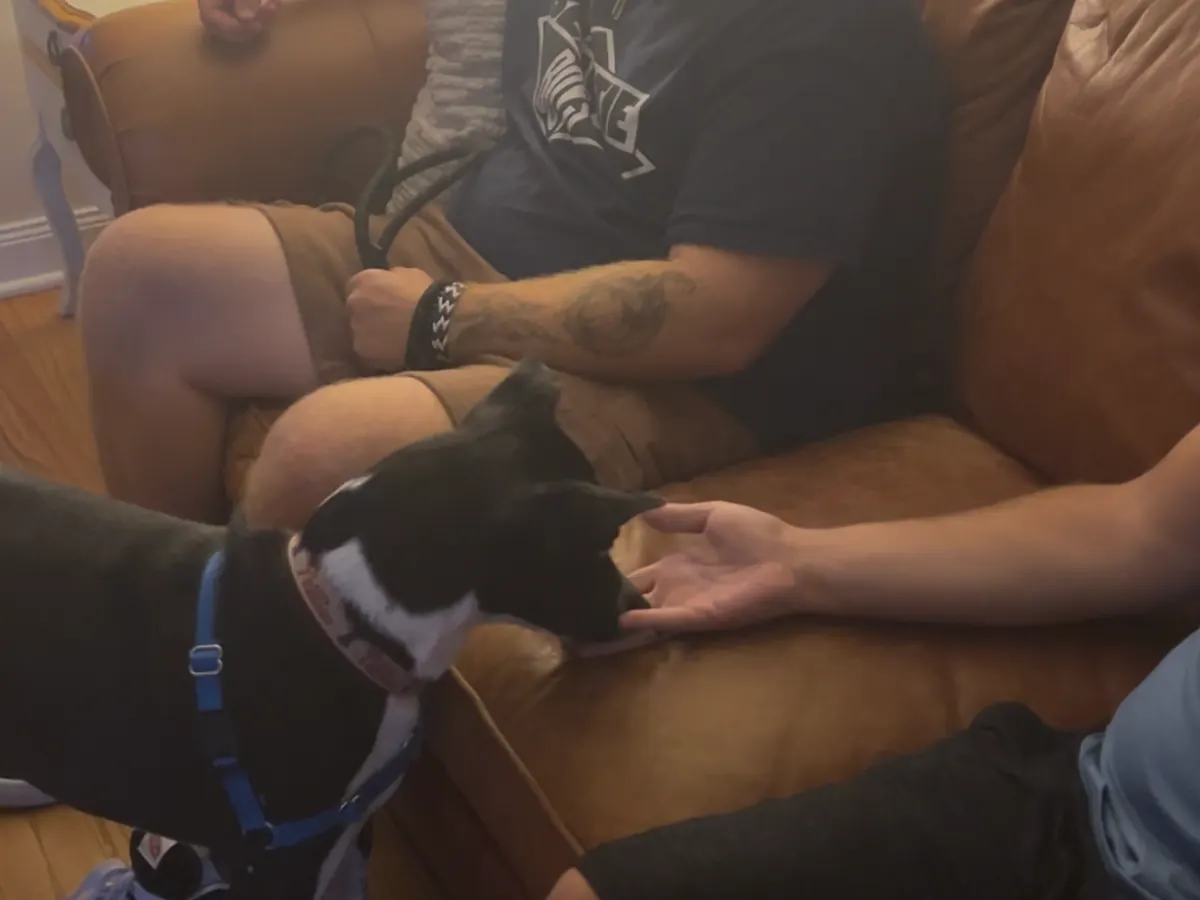
Bowie: Progress Built on Practical Tools
Bowie came to Happy Jack’s with significant behavior challenges, and his family understood that meaningful progress would take time and continued work.
During training, Matt began reporting small but important changes, including more control on walks and moments when Bowie was able to respond to cues instead of reacting to what was around him.
After Bowie completed behavioral training, Matt shared that Bowie still had “a long way to go,” but his family now felt they had the tools to keep helping him move forward—and they had already seen meaningful improvement.
For Bowie and his family, success was not an overnight transformation. It was better communication, practical tools, growing confidence, and a clearer path for the work ahead.
Attribution: Matt DiVenti & Bowie
Kami: New tools and a stronger bond
Andrea described Kami as a reactive rescue and said her family was happy with the progress they were seeing. Through training, they gained new tools and a roadmap for helping Kami move toward a more relaxed, peaceful life.
Just as importantly, Andrea described the work as enjoyable for both dog and family. Kami loved visiting Happy Jack’s, and practicing together became another way for them to connect.
“training together has been tons of fun”
Attribution: Andrea Tyszka and Kami — Google review
Romeo: Growing confidence in everyday interactions
Keri described Romeo, her Chihuahua mix, as aggressive and anxious when they began, with confidence difficulties she connected to his life before rescue. According to her review, Romeo had been terrified of men and uncomfortable when someone tried to pet his face.
About halfway through training, Keri reported meaningful changes. Romeo accepted treats from men’s hands and allowed an interaction near his face with relaxed, happy body language. Keri said that both she and Romeo gained confidence through the experience.
Attribution: Keri Riley and Romeo — Google review
Pixie: Practical techniques for home and beyond
Sharon sought help for challenges that included Pixie being alone, becoming overly focused outside, and responding when people came to the door. Her review says she was shown techniques she could continue using to help Pixie.
Sharon reported major improvement and felt more prepared to try short trips and time with a sitter. She characterized the experience as life changing for both Pixie and herself—her description of their individual experience, not a promised outcome for every family.
Attribution: Sharon Krier and Pixie — Google review
A puppy becoming more comfortable alone
Samantha reported that her puppy had previously struggled to be alone even briefly. After training, she said he could rest comfortably while the family was at work.
Her story describes a practical change in an everyday household routine and a training experience the family loved.
Attribution: Samantha Kiraly — Google review
Zhara: Puppy and owners learning together
As first-time puppy parents, Carly and her family wanted to learn alongside Zhara. Carly reported that the family gained a much better understanding of their puppy during a 12-week course and that Zhara learned significantly as well.
Their story emphasizes that training includes the people at the other end of the leash. Carly planned to keep practicing the skills at home so the family could continue building on what they learned.
Attribution: Carly Paone and Zhara — Google review
Parker: Progress with real-life practice
Linda described Parker, a coonhound and beagle mix, as having tremendous energy and a tendency to jump on people. Her review praised the positive-reinforcement approach, the explanations provided to the owners, and the guidance they received for practicing at home.
Linda also shared an honest part of the family’s experience: they were not always able to practice as much as recommended. Even so, she reported noticeable progress. Parker’s story reflects the value of clear owner education and continued practice without suggesting that every family’s path looks the same.
Attribution: Linda Berrier and Parker — Google review
Owners are active participants
Other clients reinforced the importance of being included in the learning process. Halie valued seeing a skill demonstrated, practicing it herself, and receiving feedback rather than simply handing her dog to someone else. Molly described a customized approach in which the family felt heard, learned more about their dog, and gained knowledge and confidence.
Clients have also described the wider Happy Jack’s experience as caring and supportive. Olivia wrote that her family felt “comfortable, supported, and genuinely cared for” from the beginning.
Supporting attributions: Halie Daniels — Google review; Molly U. — Yelp review; Olivia S. — Google review
Find the right place to begin
These stories represent individual clients and dogs. Your free first lesson gives a Happy Jack’s trainer an opportunity to learn about your dog, hear your goals, and begin identifying an appropriate training path without a commitment to continue.
Explore Training.